

Functional Safety
in automotive
We ensure the correct and safe operation of your vehicle's electrical and electronic systems, even in the event of a malfunction. Our expertise helps you secure your systems according to ISO 26262 and prevent dangerous situations.
Comprehensive Safety Support
We work with functional safety from the very beginning – supporting your entire development cycle. Whether you need internal assistance or international alignment with client requirements (DIA), we ensure that all processes, from conceptual phase to production, are carried out safely.
Definition of Safety Requirements
We assist with requirements analysis for the entire system, subsystems, and individual components (both HW and SW).
Architecture and Design
We design and implement specific safety mechanisms into the system architecture, in accordance with the V-model.
Risk Analysis and Verification
We conduct detailed risk analyses (HARA, DFMEA) and technical reviews to verify that safety requirements are met at every stage.

What benefits does our solution offer you?

Ensuring a more reliable design
Preventing dangerous situations where a system malfunction could endanger human life.
Prevention of dangerous situations
Risk analysis and early prevention of failures.

Early
warning
Designing systems to alert the driver of a potential malfunction before a critical situation arises.
Methods for Ensuring Functional Safety (according to ISO 26262)
ASIL (Integrity Level)
We define how stringent safety measures must be (from ASIL A to D) to meet safety objectives.
HARA and Safety Goal
We conduct Hazard Analysis and Risk Assessment (HARA) to define key safety goals (e.g., "Prevent unintended acceleration").
Safety Mechanisms and Safe State
We design specific measures (e.g., Watchdog, redundancy) that ensure the system transitions to a defined state with minimal risk.

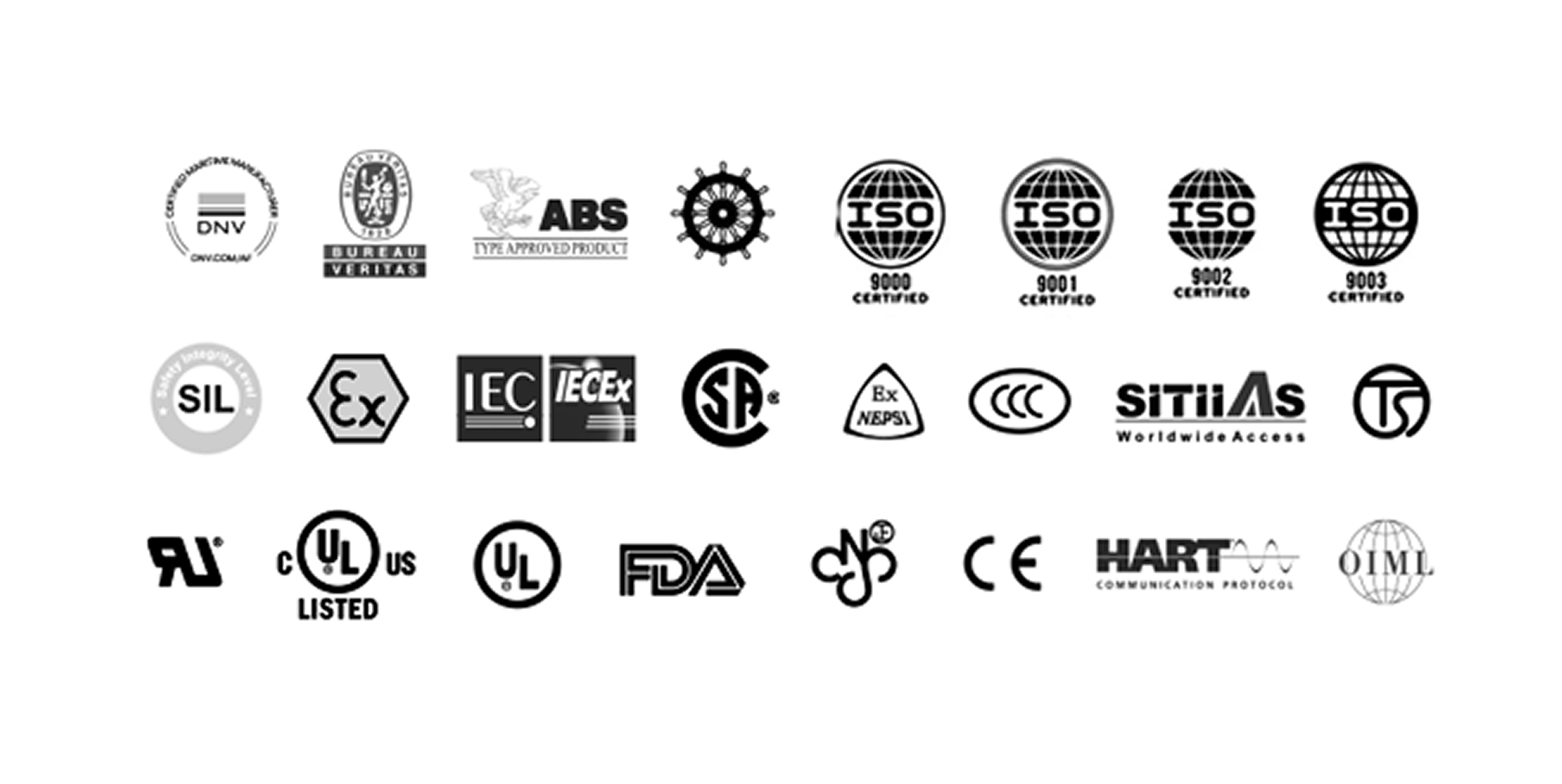
Transform risk into certified certainty
Do you need a partner with proven capabilities? Contact us to discuss how we can apply our certified processes to your functional safety strategy.
Frequently Asked Questions
Answers to frequently asked questions regarding functional safety in automotive.
Why is the ISO 26262 standard crucial for automotive projects?
This standard defines the international benchmark for functional safety in road vehicles. Adherence to it ensures that electronic and electrical systems are designed to minimize the risk of failure. Implementing ISO 26262 is now a prerequisite for homologation and entry into the global market.
What exactly does the acronym ASIL mean and how does it affect development?
ASIL (Automotive Safety Integrity Level) defines the level of safety integrity from the lowest (A) to the highest (D). Based on a risk analysis (HARA), we assign a specific level to your system, which then dictates the strictness of safety measures and methodologies during hardware and software development.
What is the difference between Safety Goal and Safe State?
Safety Goal is the main safety objective (e.g., "prevent unintended acceleration"). Safe State is a specific safe state into which the system must switch upon error detection (e.g., power disconnection or speed limitation) to prevent harm to the user.
Can you help us integrate functional safety into our existing V-model?
Yes, our expertise includes support throughout the entire V-model. We design safety mechanisms, conduct risk analyses (DFMEA), and perform technical reviews to ensure functional safety is an organic part of your development cycle, from concept to series production.
What is HARA analysis and why is it performed at the beginning of a project?
HARA (Hazard Analysis and Risk Assessment) is a risk and hazard analysis that identifies critical situations. It is performed in the early stages to define safety requirements and system architecture in a timely manner. This eliminates costly design changes in later project phases.
Do you have further questions?
We would be happy to provide you with detailed information about our solutions.